

Read This Before Starting Your Locs
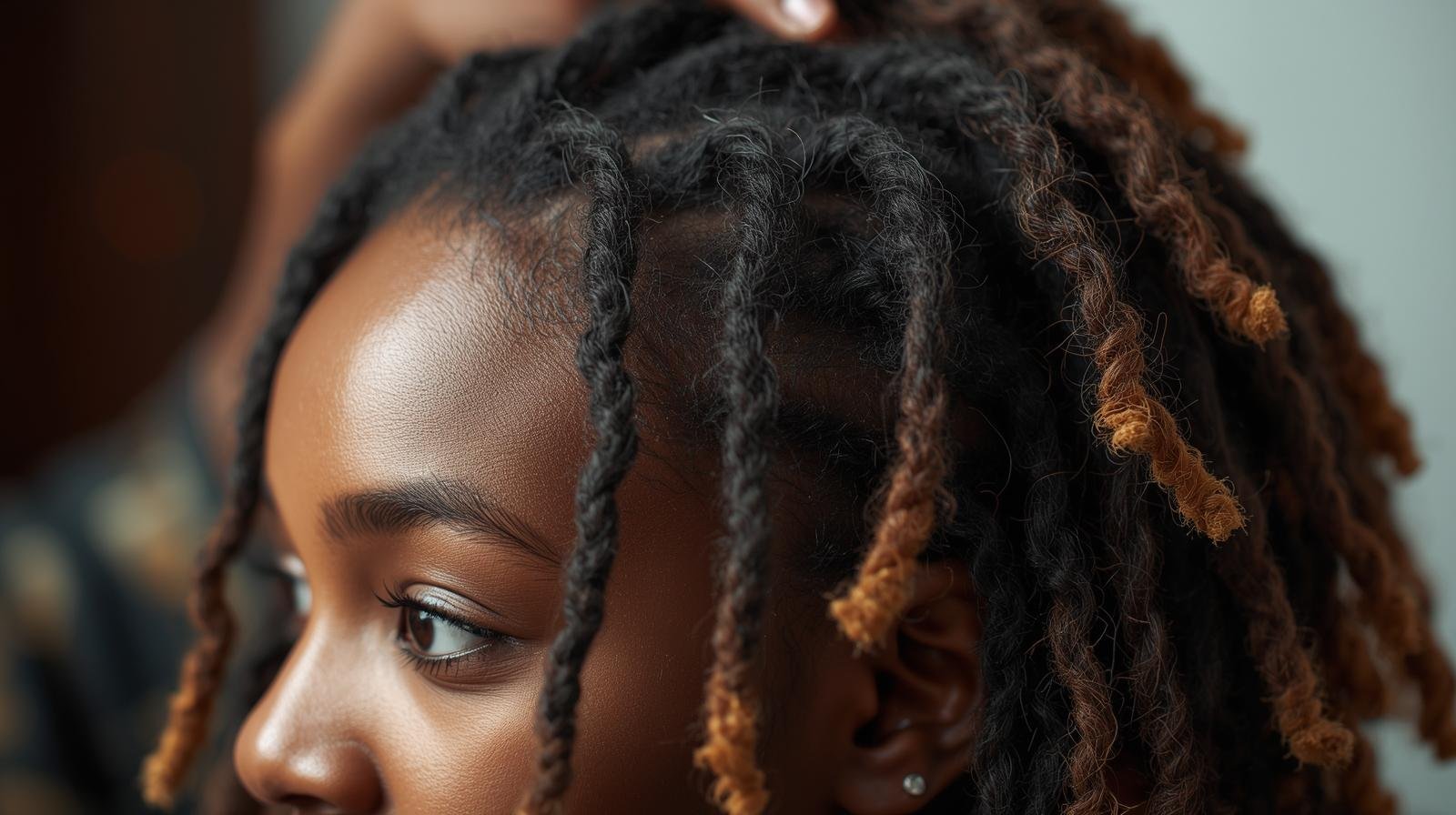
So, you’ve been scrolling through Instagram, zooming in, saving, screen-grabbing, and all that people do in the name of admiring those beautifully coiled locs that look effortless, powerful, and free.
And now, you’re thinking…“Maybe it’s time for me to start my loc journey.”
But before you commit, here’s a little truth:
Starting locs isn’t just a hairstyle decision. It’s a lifestyle shift. One that requires patience, care, and a little bit of faith.
Please re-read that last line.
Now that you’ve reread it, I believe you are locked in for the rest of the blog.
Across our social media platforms, we have been educating ya’ll on the A-Z of the loc journey, and in this week's blog, we continue that by expanding on one of the most common questions our clients ask during their consultations.
So, if you’ve been wondering what to know before starting locs, this post walks you through everything, from mindset to maintenance.
So, read on.
What Locs Really Are (and Why They’re More Than a Hairstyle)
Locs, also known as dreadlocks, are strands of hair that have been intentionally matted and allowed to lock over time.
We often consider locs to be more than just a hairstyle because:
They’re a long-term commitment to allowing your hair to grow and form naturally, with less manipulation and more patience.
Locs are a way of losing control over what sits on your crown. So, if you are a control freak, you may want to reconsider wearing locs for a long time.
Unlike other hairstyles, you won't enjoy your locs immediately after they are installed. The more you wear them, the more you’ll discover them.
In other words, the more locs change, the better they suit.
You need to find a balance between the patience to outlive the bad hair days and the courage to rock a bad hair on a good hair day if you want a smooth loc journey.
Common loc types include:
Traditional locs – the classic size, started by twisting or palm rolling.
Microlocs – smaller, neater versions that give a fuller look.
Sisterlocks® – a professional, grid-pattern method that’s lightweight and versatile.
Freeform locs – formed naturally without much styling or retwisting.
Each type offers a distinct vibe and a distinct maintenance routine.
Choosing the Right Type of Locs for You
Before starting, ask yourself: What kind of commitment am I willing to make?
Because every type requires different loc maintenance schedules.
Here’s a quick breakdown:
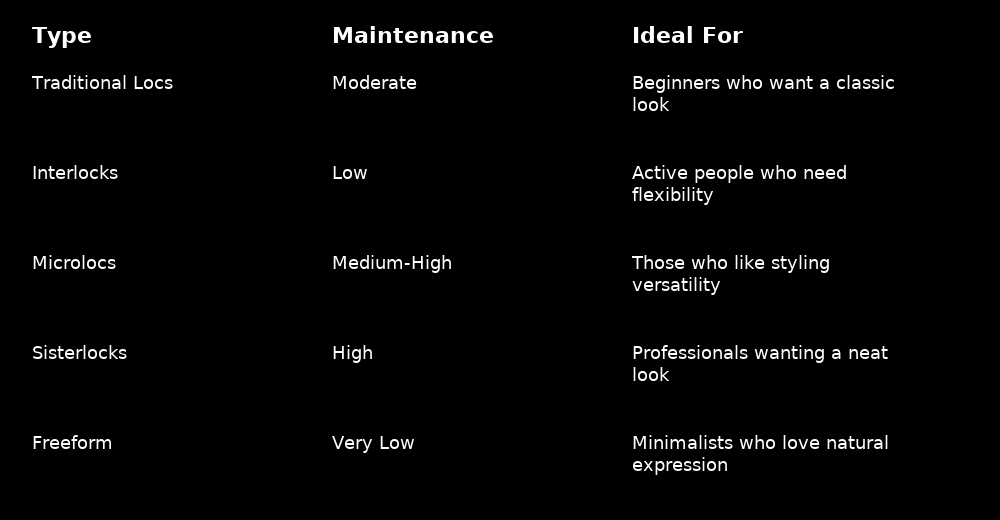
@tressesbyk library
Choosing the right type of locs means choosing both the rhythm and style that fits your life.
If you’re unsure, you can always book a consultation with us. We’ll help you understand what your hair type, lifestyle, and budget can handle.
The Commitment: What You Should Expect
Let’s be honest. Locs don’t become those nice styles you long for overnight.
There are four stages you have to go through before your locs become what you envisioned.
Starter Stage (Baby Locs)
This is the initial phase, immediately following installation. Locs are neat, uniform, and easy to unravel. Expect frizz, loose ends, and the need for gentle handling between retwists.Budding Stage
Locs begin to swell and form soft buds along each section. They look puffier and less defined. This is when frizz peaks, and those once neat parts blur. Not to worry. All of these are good signs that your hair is growing.Teen Stage
Locs have formed but are still maturing. They often stick out, shrink, or take odd shapes. They feel thicker, less shiny, and start to hold their shape even after washing. Expect the most unpredictability here.Mature Stage
The locs are fully sealed from root to tip and feel firm and consistent. They hang naturally, hold moisture better, and frizz reduces significantly. Maintenance becomes more about care than formation.
As we have seen, each stage presents its own unique challenges. One day, you are battling frizz; another day, it’s matted parts, shrinkage, and odd strand shapes.
Other times, it will be that awkward phase where your locs don’t quite look as you pictured them, and they won’t grow as much in length either.
The beautiful part is that every stage teaches patience.
Your hair will look different every few months.
You’ll learn to love your texture and trust the process.
You’ll stop trying to control every strand, and that’s the freedom we want.
Most locs take between 1–2 years to mature fully, depending on your hair type and routine.
So if you’re thinking of starting locs, go in knowing it’s all about evolution.
Preparing Before You Start Locs
Let’s now see what you need to do before you start locs.
Clarify Your Why
Decide why you’re locking your hair. Is it for cultural connection, simplicity, or personal growth? Ensure you have a solid reason, as this will keep you motivated during the initial bad hair days.
Start With a Clean Slate
Clear your hair of previous hairstyles. Ensure your hair is free of any products and isn’t relaxed. Wash your hair thoroughly with a clarifying shampoo before your appointment, and avoid using heavy oils or conditioners. Clean hair locks faster and prevents product buildup later.
Choose the Right Loctician
Research a certified loctician. There can’t be enough emphasis on this one. Ensure that only a certified professional starts and maintains your locs from the beginning. How you start will set the tone for healthy, long-lasting locs.
If they are poorly installed at first, that's the energy your locs will carry throughout their life.
Tip: Check their portfolio, reviews, and hygiene standards.
Maintenance and Lifestyle Shifts
Once your locs are in, certain aspects of your life will have to change. (For the better)
You’ll wash your hair less often, but with more intention.
You’ll learn to protect your hair while sleeping if you haven’t been doing that already.
And you’ll discover how to embrace uncertainty (frizz, slow growth, weak strands, etc.) instead of fighting it.
Here’s a sneak peek of what to expect:
Washing: Every 2–4 weeks with residue-free shampoo.
Retwisting: Every 4–6 weeks (depending on growth).
Sleeping: Always use a satin scarf or bonnet.
Styling: Avoid tight styles that pull your roots.
And if you ever feel like your locs look “messy,” remember that’s part of the journey. The best locs are not perfect.
Common Mistakes to Avoid When Starting Locs
Most problems happen early. So, here’s what to avoid in the initial stages:
Starting with dirty or product-heavy hair.
Using wax or thick creams that cause buildup.
Over-twisting: it weakens your roots.
Comparing your journey to someone else’s.
Your locs will never look exactly like another person’s, and that’s the beauty of it.
TressesbyK’s Parting Shot
Locs teach you more than how to style your hair.
They teach you to slow down. To trust time. To let things unfold without constant control.
That’s the real gift of locs.
Forget the look and embrace the lesson.
So if you’re still standing on the edge of the should you loc your hair decision, here’s your sign: yes, but do it with intention.
Give your hair and yourself the grace to grow.
Thinking of starting locs soon?
Subscribe to our newsletter above for more loc care tips, product recommendations, and mindset shifts to help you love your hair through every stage of the journey.
