

A Guide to Brushing Your Locs (Without Messing Them Up)
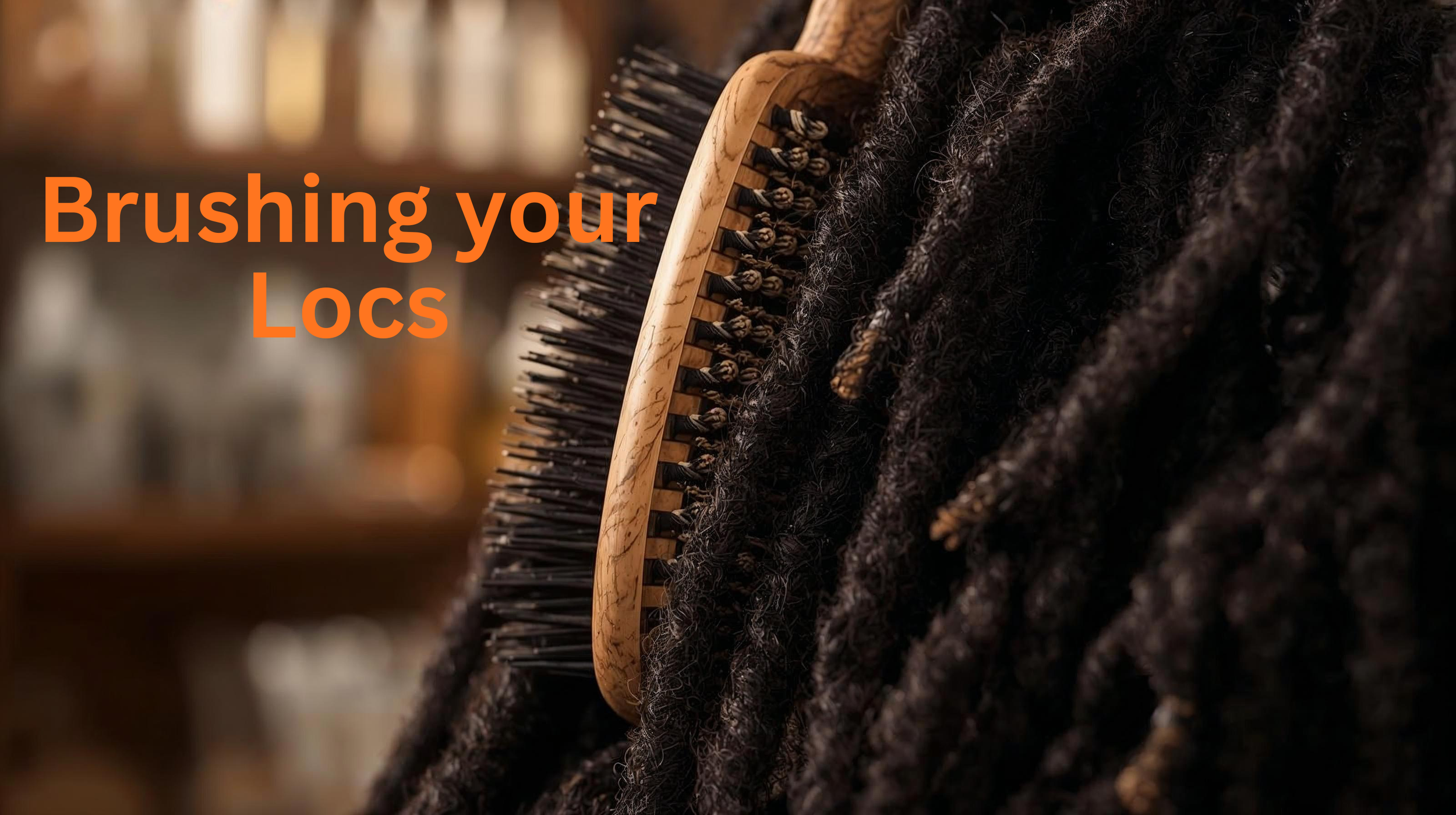
Brushing locs is one of the most misunderstood parts of loc care. Some swear by it, others fear it, and many don't know how to do it correctly.
If you've ever wondered whether brushing your locs is safe, helpful, or even necessary, this article will help answer that.
Inside, you'll learn exactly what type of brush to use, how to choose the right bristle texture for different loc sizes, and the best time to brush your locs.
You'll also discover a step-by-step routine you can follow at home, the pros and cons of brushing, and the common mistakes that cause unravelling or frizz. Let's get started…
Benefits of Loc brushing
Lift lint before it becomes trapped
Keep locs looking neat and smooth.
Spread oils and moisture evenly on locs
Gently massage your scalp for a light and healthy feel.
Reduce dullness and surface buildup.
Choosing the Right Brush
The best brush for locs should have soft, flexible bristles.
Avoid brushes that are stiff, sharp, or rigid.
There is a simple way to test for the right bristles. Press the bristles into your palm. If they feel rough, that's not the best brush for your locs.
Different loc sizes, micro locs, sisterlocks, and medium locs can use the same type of brush, though a softer one is always safer.
When to Brush Your Locs
We often advise loc brushing on these three occasions.
Before a wash – to remove lint and dust
After moisturizing to help distribute products evenly on your locs
Whenever you notice surface buildup. Gentle brushing lifts away buildup. The process also lifts surface lint from the hair, leaving your strands clean and looking great.
Never dry-brush your locs. Dry brushing can cause frizz, which then easily attracts lint to your locs.
Also, when brushing your locs, be on the lookout for two things. Too much hair shedding on the brush, which can indicate the wrong brush is being used. And the brush is losing too many bristles, which may cause further lint formation in your locs when the bristles get trapped in your hair.
Simple post-wash Loc brushing routine
What you'll need
Moisturized locs [post wash or have a spitz spray]
Soft but firm bristle brush
Moisturiser
Oils
How to
Section the area you want to brush.
Moisturize if not recently washed.
If your locs are long or thick, divide them into 2 to 4 sections. And start by brushing one section at a time.
Gently hold your locs at the bottom with one hand and use slow, gentle strokes. Brush downward from roots to the ends. Downward brushing reduces friction and surface disturbance. This means fewer flyaways, less stress on the loc shaft, and zero unravelling.
Avoid brushing in an up-and-down manner, as that causes too much frizz. Also, avoid circular motions when brushing your locs. Existing lint clings more to the loc surface when you do that.
Massage the scalp gently (Optional) using soft circular motions during brushing.
Add a Finishing touch by smoothing a bit of oil on the ends. (Nothing heavy. Just enough oil to seal in moisture.)
Pros & Cons of Brushing Locs
Pros
Removes lint before it buries itself
Helps moisturizers spread more evenly
Keeps locs neat and well-groomed
Supports scalp stimulation and growth
Makes locs look smoother and more polished
Cons
Brushing starter locs can cause unravelling. This is because the locs haven't matured nd matted yet.
Aggressive brushing forms rough edges which pick up lint easily.
It isn't a daily loc care process.
May need a professional if you are new to it; therefore, there is an extra cost.
Here are some of our favourite Loc Brushes of the ones we love.
Sandalwood Loc Brush – gentle, wooden, perfect for stimulating blood circulation in the scalp and promoting hair growth
BelleFlair Loc Brush – soft bristles that are specifically designed for locs
Made for locs lint brush - the best and highly recommended brush. (Made by a loc brand)
Quick Loc Brush Care Tips (for Longer-Lasting Bristles)
A good loc brush can last long if you take good care of it. Here are a few easy ways to keep your loc brush clean, soft, and ready to use:
Keep the bristles dry between uses - Moisture weakens bristles over time.
After brushing, gently tap the brush to remove any excess water or product, and then leave it in a dry, open place.
2. Clean the Brush Weekly
Brushes collect lint, oils, and leftover product from your locs.
Run a comb through the bristles to lift out trapped lint.
3. Wash the Brush Every 2–3 Weeks
Fill a small bowl with warm water and a drop of gentle shampoo.
Dip only the bristles in, swirl lightly, and rinse. Avoid soaking the entire brush, especially the wooden ones.
4. Air-dry with the bristle side down so water drains away from the handle and prevents mould or swelling in wooden brushes. You can also place the brush on a towel with the bristles facing downward.
5. Don't use the loc brush for anything else
Avoid using it on loose natural hair, wigs, or other textures to keep the bristles clean, aligned, and free from shed hair that can snag your locs.
Final Thoughts
Brushing your locs doesn't “spoil” them. It’s simply a routine that keeps them clean, moisturized, and looking cared for.
Try brushing once this week. Gently, slowly, and with intention. See how it goes.
